

Building Electrification and the Future of HVAC and Plumbing Systems
By Maureen McDonald & Roxanne Fong
Building electrification is not just a trend — it is becoming the foundation of the future of HVAC systems. Driven by building codes, utility programs and decarbonization goals, more projects are shifting from gas-fired equipment to electric technologies such as air-source and water-source heat pumps, variable refrigerant flow systems and heat pump water heaters. For HVAC and plumbing contractors, this shift changes both the equipment and the way systems are designed, installed and serviced.
Electrified systems rely heavily on proper sizing, control integration and building conditions. Unlike traditional systems, they are less forgiving of poor airflow, incorrect piping or outdated control sequences.
Because of this, every electrification project should involve a thorough evaluation of the existing system. Contractors should either have expertise in-house or work with a qualified specialist to assess loads, ductwork, hydronic systems and controls before installation.
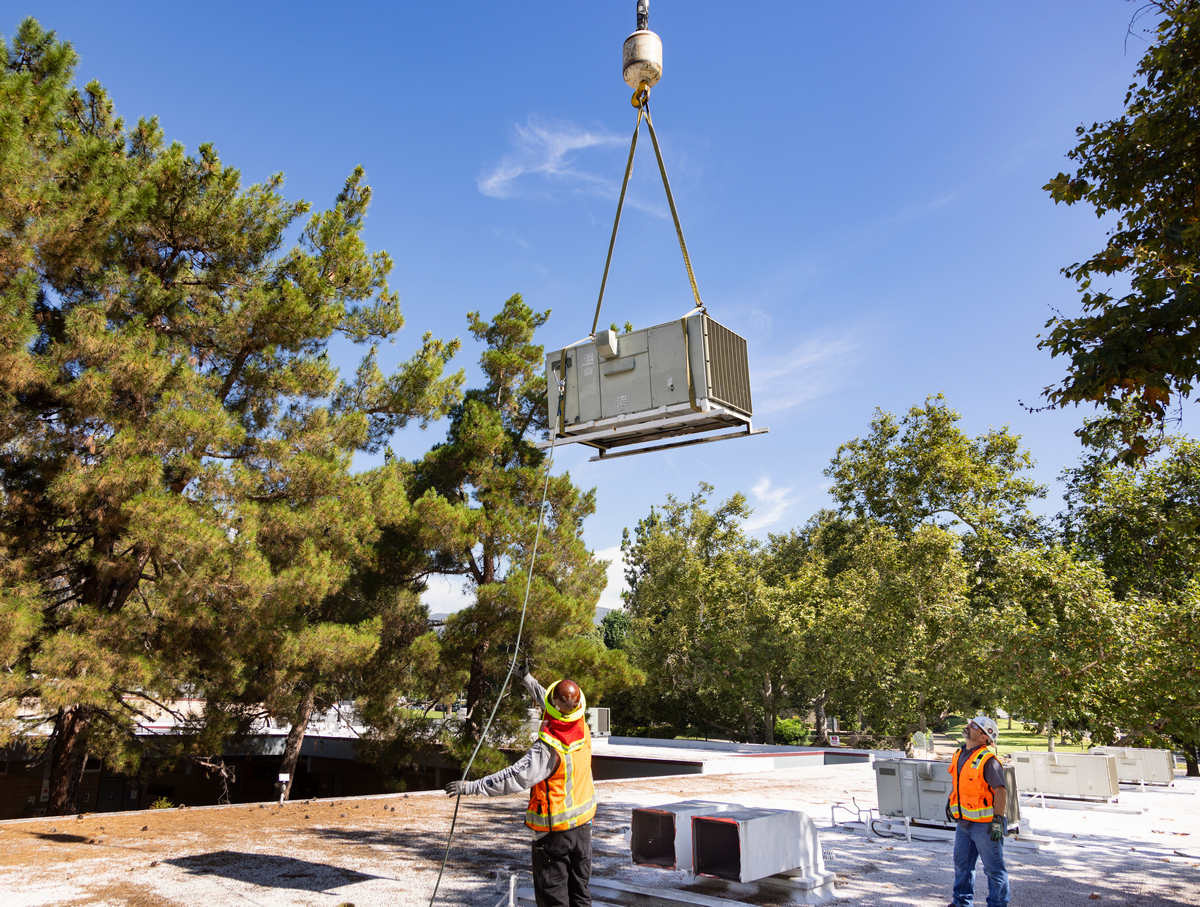
What is building electrification for HVAC and plumbing systems?
Building electrification means replacing fossil fuel-powered equipment with electric alternatives. The result is a system that goes beyond temperature control, one defined by efficiency, electrification and control integration.
Key characteristics of electrification for HVAC and plumbing systems include:
- Heat pump-based heating and cooling, including cold-climate models that can operate effectively at low outdoor temperatures.
- Variable-speed compressors and fans that adjust output to match real-time demand, improving efficiency and comfort.
- Advanced controls and building automation systems that optimize performance based on occupancy, weather and load conditions.
- Integration with domestic hot water systems through heat pump water heaters or heat recovery strategies.
- Compatibility with demand response programs and time-of-use electricity pricing.
These systems can deliver high performance, but only when properly designed and commissioned. Improper installation or poor system conditions can significantly reduce efficiency and reliability.
Why building electrification matters
Building electrification is important for several reasons:
- Energy efficiency: Modern heat pumps can deliver from 2 to 4 units of heat for every unit of electricity consumed, significantly outperforming traditional electric resistance heating.
- Decarbonization: As the electrical grid incorporates more renewable energy, electrified buildings can reduce overall greenhouse gas emissions.
- Regulatory compliance: Many jurisdictions are adopting building codes and policies that limit or phase out fossil fuel use in new construction and major retrofits.
- Utility alignment: Electrification supports utility goals for managed load growth, especially when paired with smart controls and demand response strategies.
For contractors, this means electrification projects are not optional in the long term; it is where the market is heading. Customers will increasingly expect solutions that align with these trends.
Role of retro-commissioning in building electrification
Retro-commissioning is a critical step in preparing buildings for energy-efficient HVAC systems. Many existing buildings have issues such as unbalanced airflow, degraded controls or inefficient scheduling that were manageable with legacy systems but become major problems with heat pumps.
Addressing these issues before electrification projects helps reduce peak electrical demand, improve system efficiency and comfort, prevent oversizing of equipment and avoid operational problems after installation.
Opportunities for HVAC and plumbing contractors
Electrification projects expand the role of HVAC and plumbing contractors beyond installation. It creates opportunities in system design, controls integration, performance optimization and ongoing service.
Contractors who understand the future of systems — and who involve the right expertise when needed — will be better positioned to deliver higher-performing systems, reduce callbacks and warranty issues, qualify for utility incentives and programs and build long-term customer relationships based on performance, not just equipment.
The industry is moving toward whole-building performance, not just equipment replacement. Electrification is at the center of that shift, and contractors who adapt to it will be better equipped to compete in a rapidly changing market.
Maureen McDonald is director of energy services and Roxanne Fong is director of utility programs at Southland Industries.