Efficiency, User Control Shape Water Heater Tech Trends
By Megan Konieczka Darr
Smart technology isn’t something of the future; it’s integrated into almost every new product or advancement seen on the market. The implementation of smart technology is at the forefront of manufacturing and has become an integral part of HVAC and plumbing systems. Manufacturers are continually adapting to meet customer demands for smart technology, while also maintaining sustainability and environmentally conscious standards. Through industry trends, customer demands and regulatory changes, the industry is evolving into a new age of HVAC and plumbing technology.
 Trends within the industry
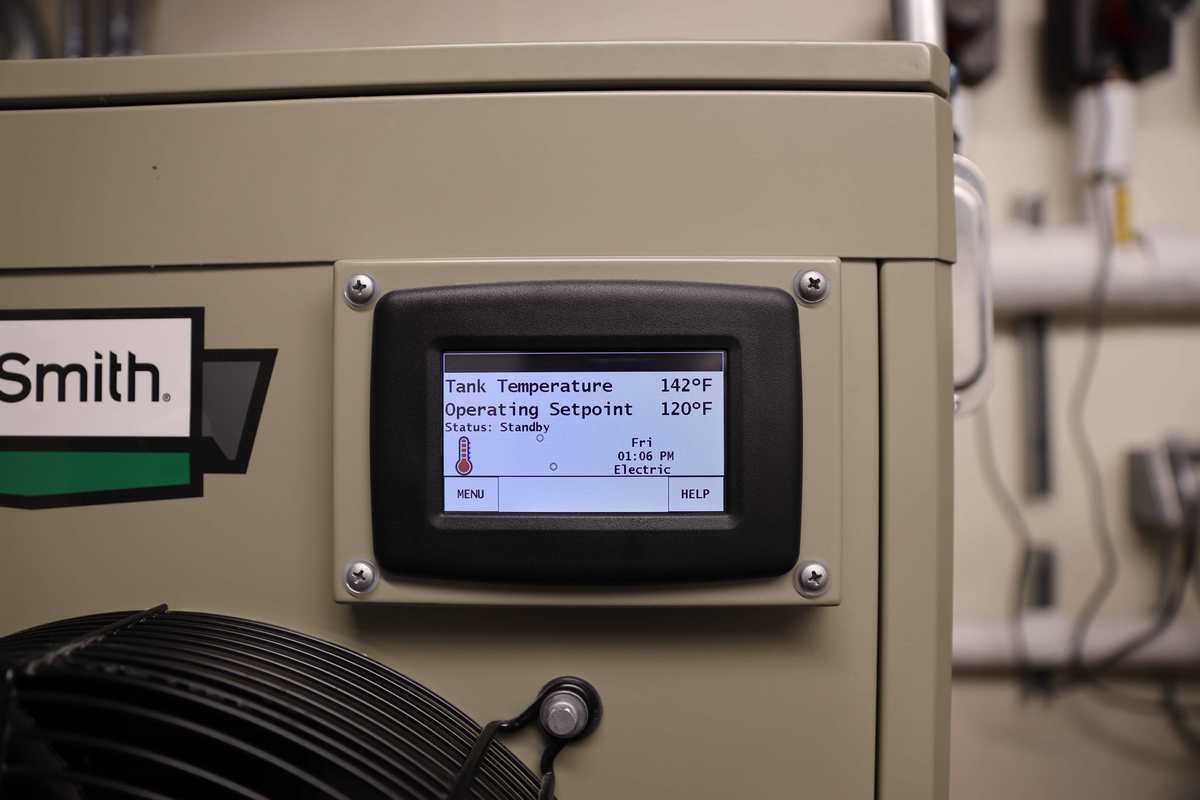
Water heater manufacturers are prioritizing various features driven by customer demands, but the most prevalent one is increased efficiency. One way manufacturers are improving efficiency is by incorporating smart technology into their units. A feature like CTA-2045 compatibility, which facilitates a connection to demand-response systems, can be built into water heaters, for example, so they run more efficiently, ultimately saving money. By improving connectivity, users can identify ways to make their unit more efficient.
Overall, customers are seeking better connectivity to appliances, including water heaters. Contractors, homeowners and facility managers can benefit from using connectivity platforms, which are often integrated into a water heater. This option can support features like anti-leak technology and can provide notifications in case of a detected leak, ensuring the unit doesn’t run unnecessarily. Plus, with better accessibility to remote monitoring, users can control a unit at the touch of their fingertips, leading to improved cost savings. With apps directly connected to units, users can control the water temperature, see how much water is in a tank, set different modes and receive real-time alerts for mechanical issues.
Smart technology and sustainability collide
Smart technology and sustainable water heating go hand in hand. Increasing efficiency isn’t just about the fuel source, but also the other integrated technologies that promote sustainability. Digitization and smart technology are becoming integral to increasing efficiency, which directly coincides with sustainability.
Ways that smart technology can supplement a more sustainable lifestyle include scheduling units to operate during non-peak demand times, when energy usage is more cost-effective. Smart technology can also allow for a water heater to connect with local demand-response programs, which are widely available, to be even more efficient for local utilities and lessen the impact on the energy grid.
Education is key player in smart technology usage, understanding
While smart technology is becoming more commonplace, it continues to evolve, and with that comes the need for proper education – for professionals, homeowners and facility managers. Contractors want to understand the technology they’re selling and installing, so they can help customers select the best option for their needs.
Aside from learning about new products and technologies, staying up to date on regulatory changes is also important. Many regulations are now pushing for higher-efficiency technology, though the specifics of these changes are continually evolving. Leaning on local manufacturer representatives and industry news publications can be a helpful way to stay on top of changes to the regulatory landscape. The better educated contractors are on these topics, the more confident they will be when speaking to customers about changing regulations and the accompanying technology.
The future of smart technology
In both residential and commercial applications, there will likely be an increase in technology advancements to better serve customers and support contractors. Contractors should continue to invest in their relationships with manufacturers to ensure they are receiving the resources and education needed to feel confident when working with these new technologies. Smart technology isn’t going away; the market will undoubtedly continue to evolve as customer demand drives new advancements.
Megan Konieczka Darr is a product manager for residential heat pump water heaters at A.O. Smith.