
Trends in Hydronics: Heat Pumps, Boilers and the Future of Hybrid Heating
By Patrick Villaume
Hydronic heating has a long history of steady innovation, with each generation of boilers and heat transfer technology raising the bar for efficiency, performance and reliability. Today, decarbonization goals, efficiency incentives and evolving expectations are having designers of these systems asking how we can maximize the system, rather than the appliance. This has led to a legacy idea, with new technologies at the forefront of hybridization.
Hybrid systems and the decarbonization push
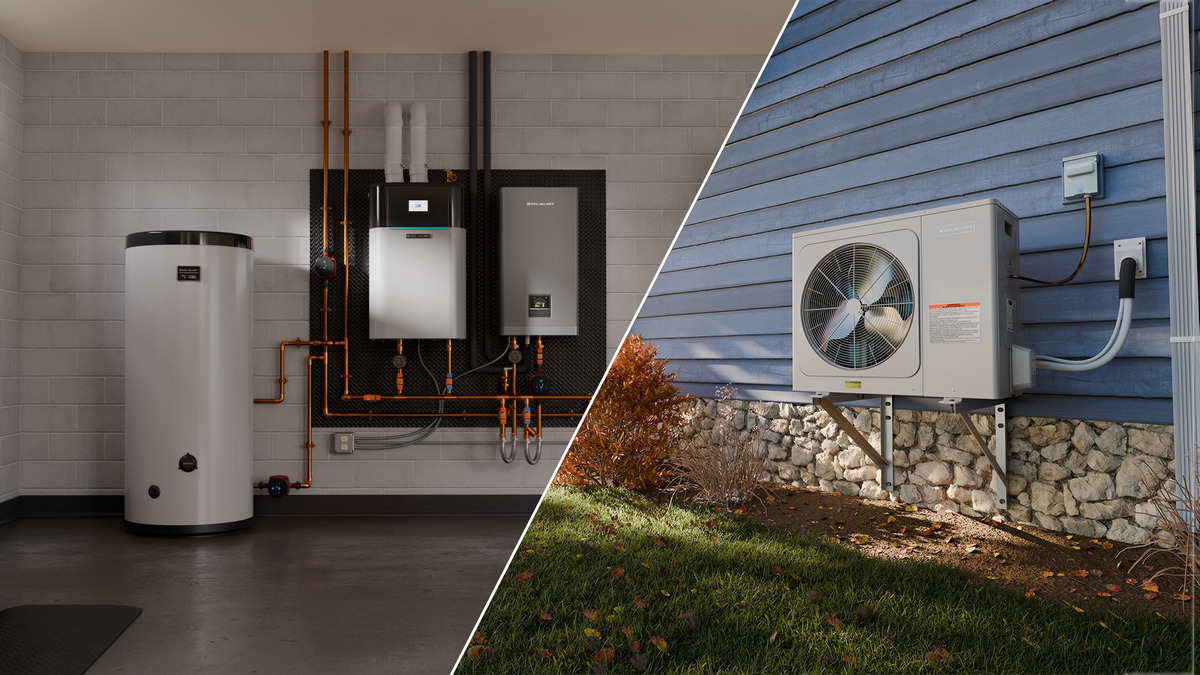
Decarbonization has quickly become one of the most significant drivers of change in HVAC. Policy initiatives, incentive programs and consumer demand are accelerating adoption of high-efficiency equipment. Within hydronics, that has translated into rapid growth of hybrid, or dual-fuel systems, that pair heat pumps with boilers.
In practice, heat pumps carry most of the intermediate seasonal loads, while boilers step in during the coldest times of the year. Many are designed to switch over automatically depending on the climate and technologies being paired, ensuring maximum efficiency and/or carbon reduction during milder “shoulder” seasons while providing reliable comfort when temperatures drop below where the electrified components are less efficient or unable to maintain desired system temperatures.
Water temperature, system design and smart controls
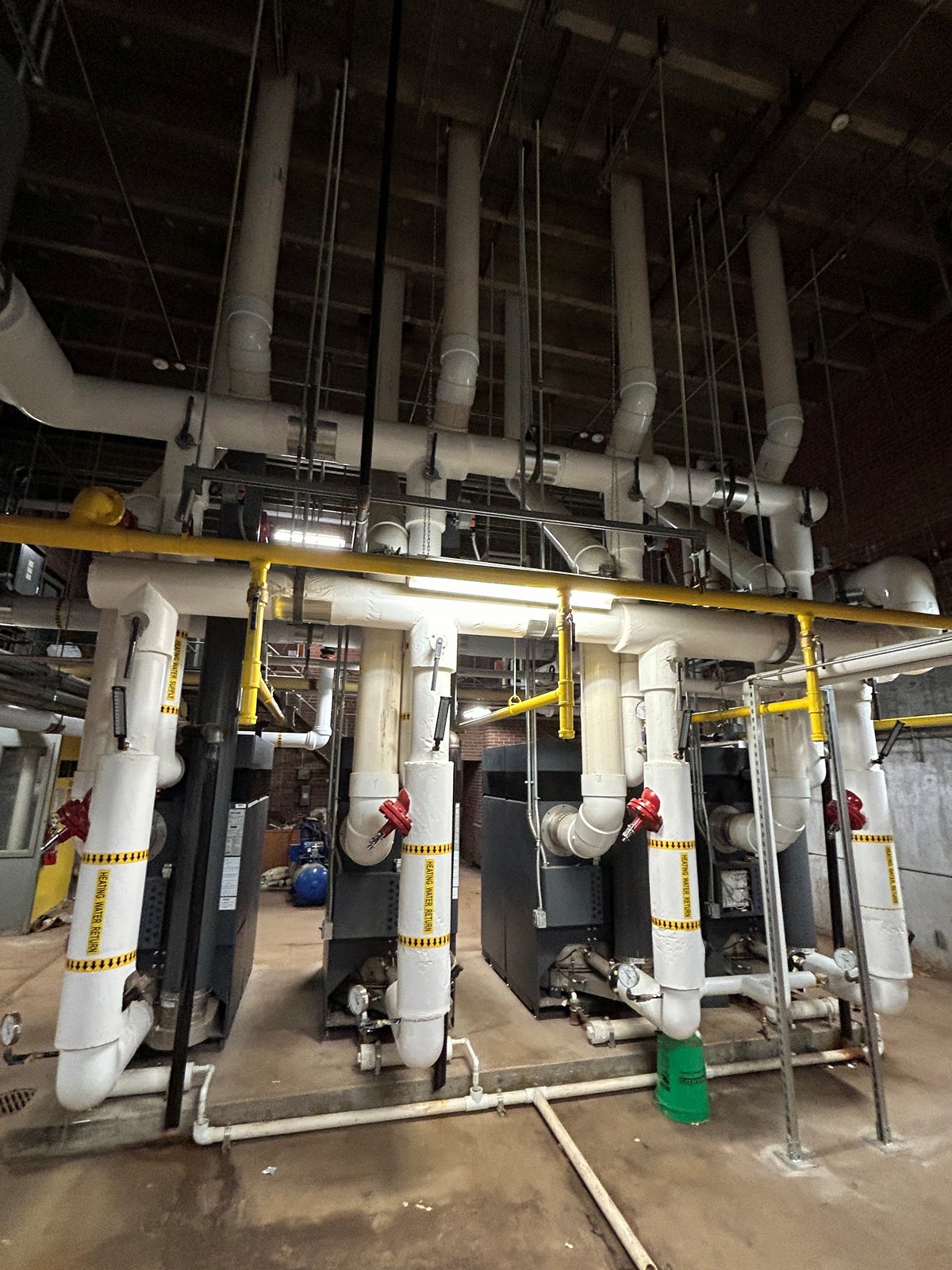
One of the defining design challenges for dual-fuel systems is water temperature. While many traditional hydronic systems operate in the range of 160-180 F supply temperatures, air-to-water heat pumps typically deliver water closer to a maximum of 140 F. That might sound like a limitation, but usage data shows most buildings need peak high-temperature output only for short periods each year.
This opens the door for system designers to rethink how loads are managed. During the bulk of the season, heat pumps can efficiently handle comfort needs, reserving higher boiler outputs for limited peak events. Advanced performance calculation tools now help contractors model these scenarios with data showing when and how often the temperatures drop, heat loads and utility rates, ensuring properly sized systems that balance cost savings with comfort. These can be utilized to bring updated methods to new installations, as well as determining the effect of heat pump integration into already existing spaces.
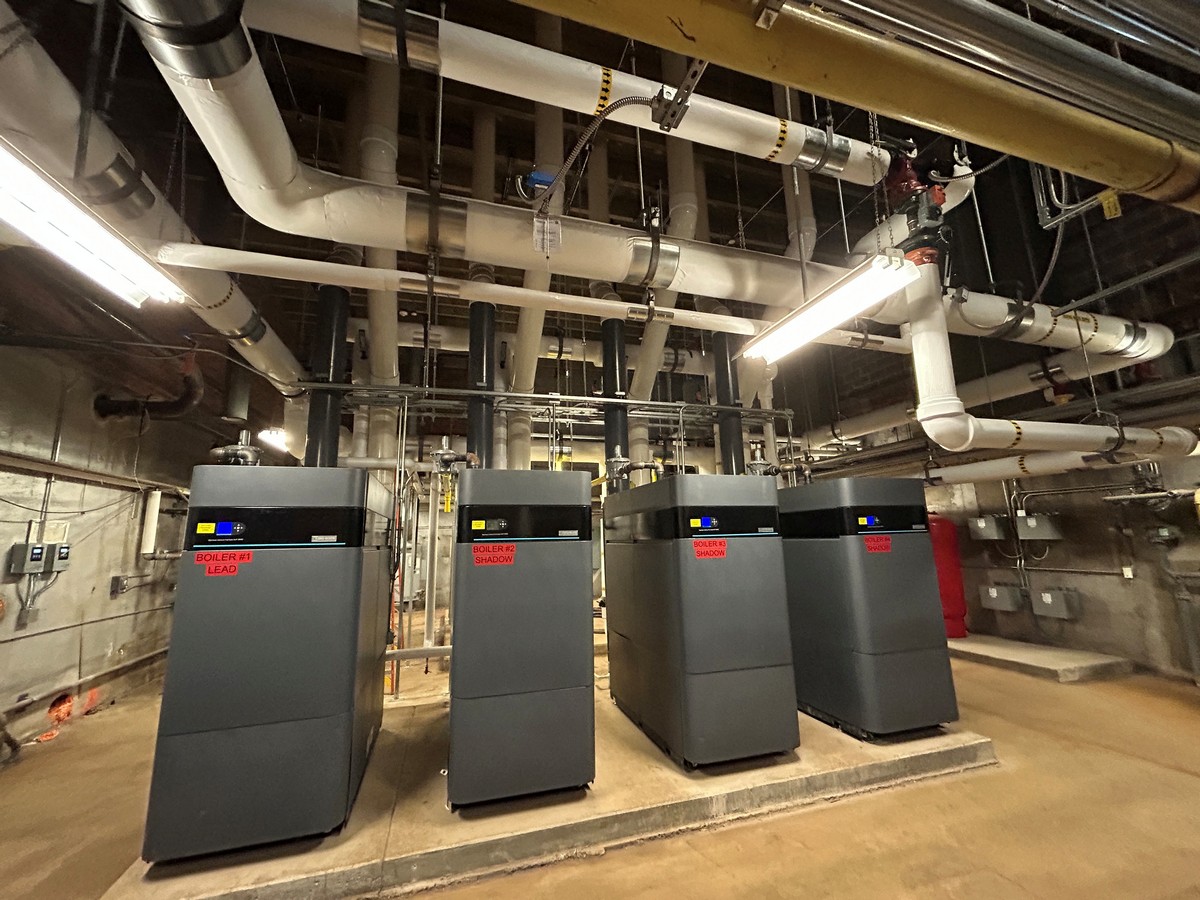
Controls and automation have also become critical. System managers can direct transitions between heat pump and boiler operations seamlessly. Adaptive heat balancing technologies go further, using real-time data to decide when to run the heat pump and when to engage the boiler. Longer runtimes at lower modulation levels stabilize indoor temperatures, while dynamic switching prevents short, high-intensity cycles. This means smoother operation, improved efficiency and greater year-round comfort.
Future directions in hydronics
While hybrid heat pump–boiler systems are shaping today’s decarbonization efforts, several additional trends are emerging that could influence hydronic design soon.
- Thermal and energy storage: Storing hot or cold energy helps balance heating loads and could better manage peak demand and take advantage of variable energy pricing. This becomes especially important as more owners and utilities look for ways to manage fluctuating grid conditions.
- Grid interactivity: Dual-fuel systems have historically provided flexibility as fuel prices and availability have changed over the seasons. Hybridized hydronic systems with electrified sources are ideal for demand-response programs, shifting between electricity and gas depending on cost, availability or utility signals to lower user costs and support grid stability.
- Smarter controls and connectivity: Remote monitoring, predictive analytics and real-time weather data will continue to drive maintenance and performance improvements for the building envelope and give contractors and owners better tools to manage efficiency and improve service.
- Modular and scalable approaches: In larger residential, commercial and multifamily projects, modular heating and cooling plants with decentralized system designs are gaining traction because they improve efficiency, provide built-in redundancy and scale with demand.
These future-facing applications underscore how hydronics is evolving beyond traditional heating and legacy heating system practices. By combining time-tested boiler reliability with new technologies like heat pumps, thermal storage and grid-aware controls, the industry is building a foundation for the next era of comfort and efficiency.
A hybrid future
The direction of hydronics is clear: a future where heat pumps and boilers work together, not against each other. Heat pumps are emerging as a foundation for decarbonization, but boilers remain indispensable for peak demand, redundancy and long-term reliability. Retrofitting new technologies in parallel with the existing building stock will allow the industry to move forward while instilling security in the design of the spaces brands provide comfort to.
With more intelligent controls and flexible installation pathways driven by stronger incentives both federally and locally, hybrid hydronic systems are poised to deliver higher efficiency, lower emissions and the dependable comfort owners expect. The industry will continue blending its legacy of hydronic appliance excellence with these next-generation technologies to create new frontiers of efficient, sustainable and future-ready building systems.
Patrick Villaume is senior manager of commercial technical services at Weil-McLain.